Cover Site Prep & Utilities: The Riverside Owner’s Guide
We stock and install Cover-compatible site prep and utility components in Riverside, with typical installed work running $3,200 to $9,800 depending on scope, and most utility rough-ins completed in two to four working days once permits clear. Owners usually discover a site prep or utility issue the same way: the Cover unit is approved and scheduled, but the utility stub-outs don’t line up, the pad elevation is off, or a trench inspection fails. The part isn’t always a single bracket or fitting. It’s the underground and underslab package that makes the Cover unit actually function.
A quick note before we get deeper: Benson ADU Riverside is an independent service provider, not affiliated with Cover. We build with Cover panels and we know their utility tie-in points cold, but we’re not Cover corporate.
Which Cover Models This Applies To
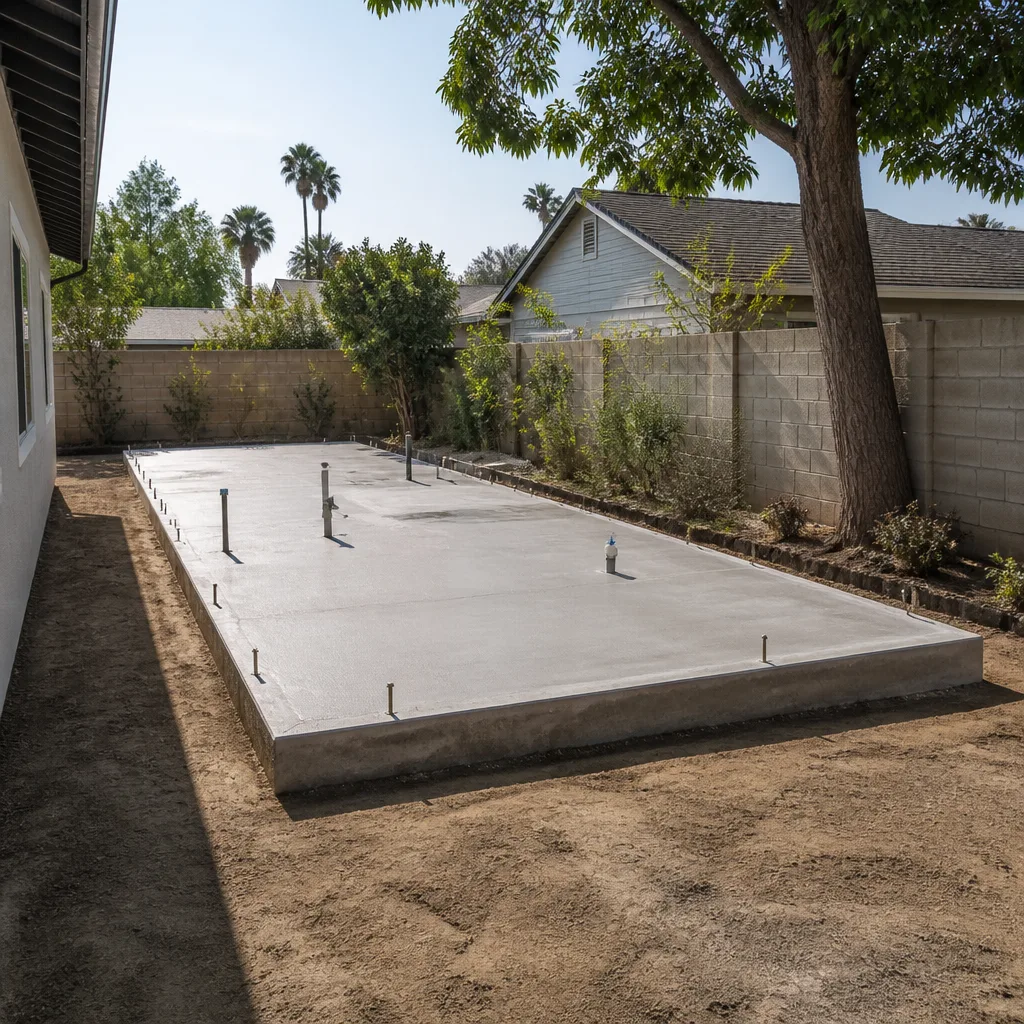
Cover’s current lineup runs on a standardized chassis and panel system, which is good news for utility planning: the rough-in points are consistent across the S and M series units. What changes is the service sizing and trench layout. A Cover S unit typically needs a 100-amp subpanel feed and a 3/4-inch water service, while an M series with stacked laundry or an electric range may push to 125 amps and a 1-inch water line. If you’re adding a second unit later, we oversize the conduit now so you don’t cut your own trench twice.
Here’s the compatibility gotcha we see on Riverside jobs: the factory-supplied stubs are positioned for a left-side utility entry, but a lot of backyards in the Wood Streets or Canyon Crest neighborhoods force a right-side approach due to existing sewer laterals. That’s not a failure, it just means the site prep has to account for a longer utility run and possibly a deeper trench to maintain gravity fall on the drain line. We carry genuine Cover-spec components and quality aftermarket equivalents for conduit, sweeps, and stub-outs. For anything structural or load-bearing at the panel connection points, we use Cover-spec parts every time. No point saving eighty bucks on a bracket that voids your panel warranty.
Signs Your Cover Site Prep & Utilities Is Failing
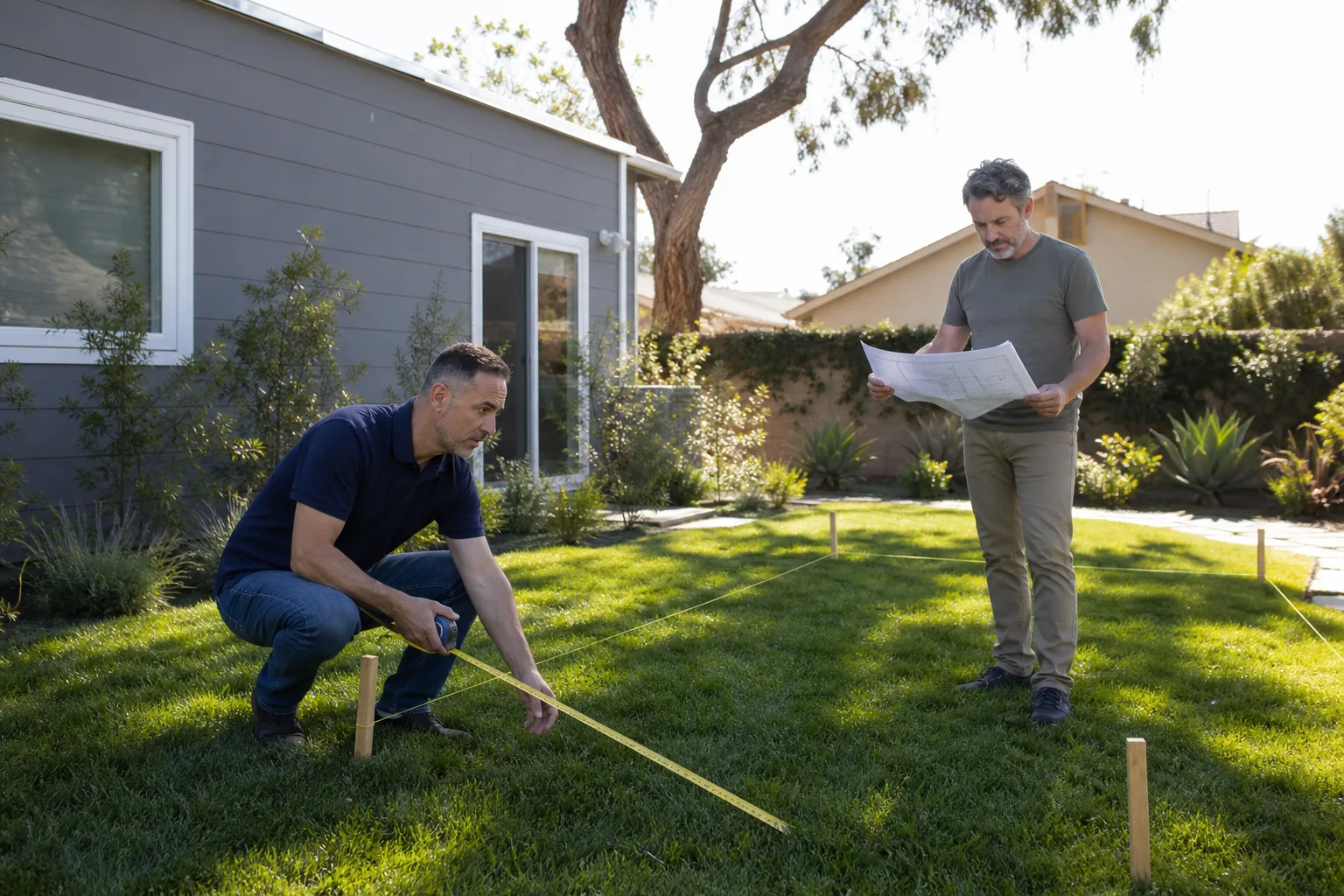
- Utility stubs don’t match the Cover unit’s connection points. This is the number one call we get during install week. The unit arrives, the site crew opens the trench, and the water stub is off by ten inches. Cause: the site prep was measured before the final panel drawings were locked. Wrong measurement, wrong stub location.
- Pad elevation is off by more than a quarter inch across the footprint. Cover units sit on a level pad, full stop. If a corner is low, the panel seams bind and doors hang wrong. Cause: compacted base settled unevenly, or the form was set without a laser level.
- Wet soil around the electrical stub or moisture inside the conduit. Water in the conduit means a failed glue joint or a cracked sweep, usually from backfill that was dropped too fast with a machine. Cause: no sand bed, no caution tape, no hand-backfill for the final six inches.
- Low water pressure at the unit even though street pressure is normal. You’d notice this after the Cover unit is placed and the main line is tied in. Cause: undersized service line, a kinked PEX transition, or a half-opened valve at the meter. Riverside soil shifts; a kinked line doesn’t fix itself.
- Drain line backs up within weeks of move-in. This one hurts because everything looks fine day one. Cause: insufficient fall on the sewer lateral. In flat Riverside lots, especially near the airport corridor, you don’t have much elevation to work with. If the trench was dug to the wrong pitch, the line holds paper and solids until it doesn’t.
Replacement Cost & What’s Included
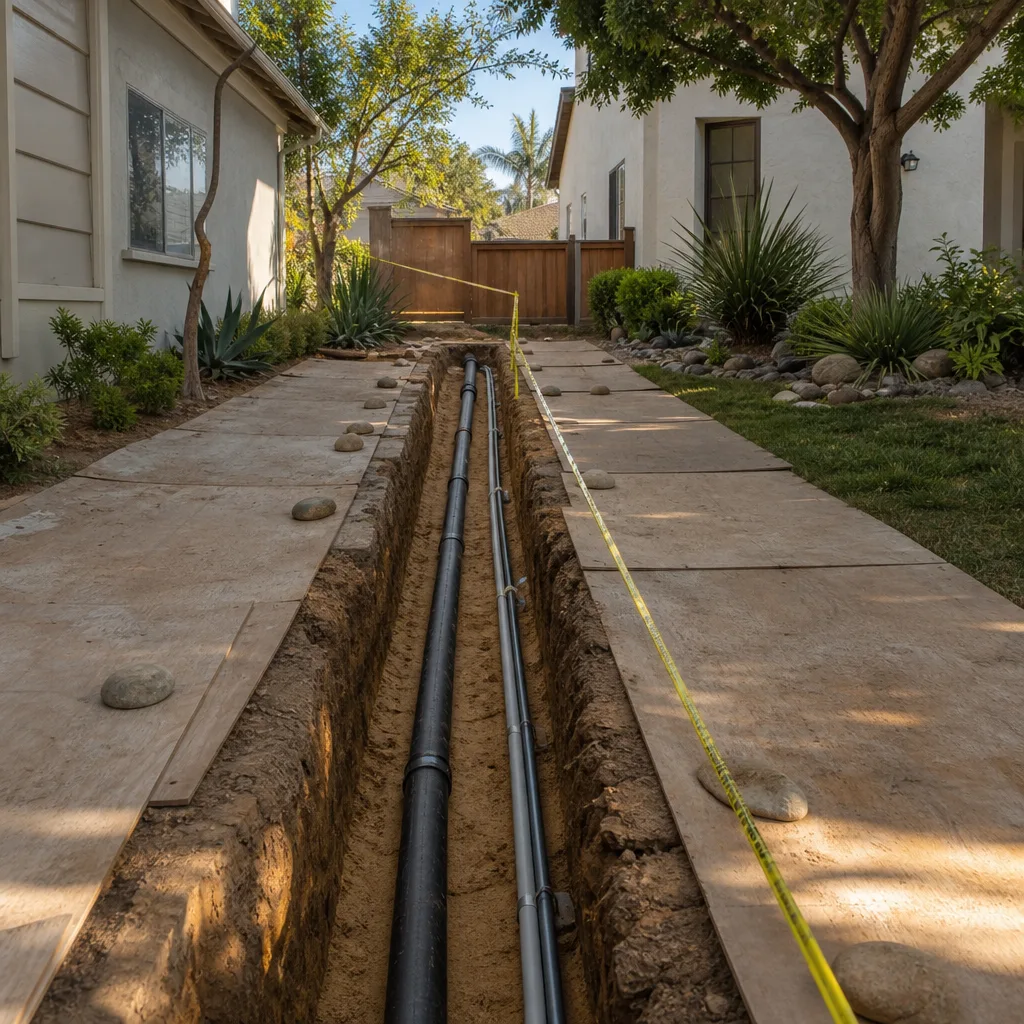
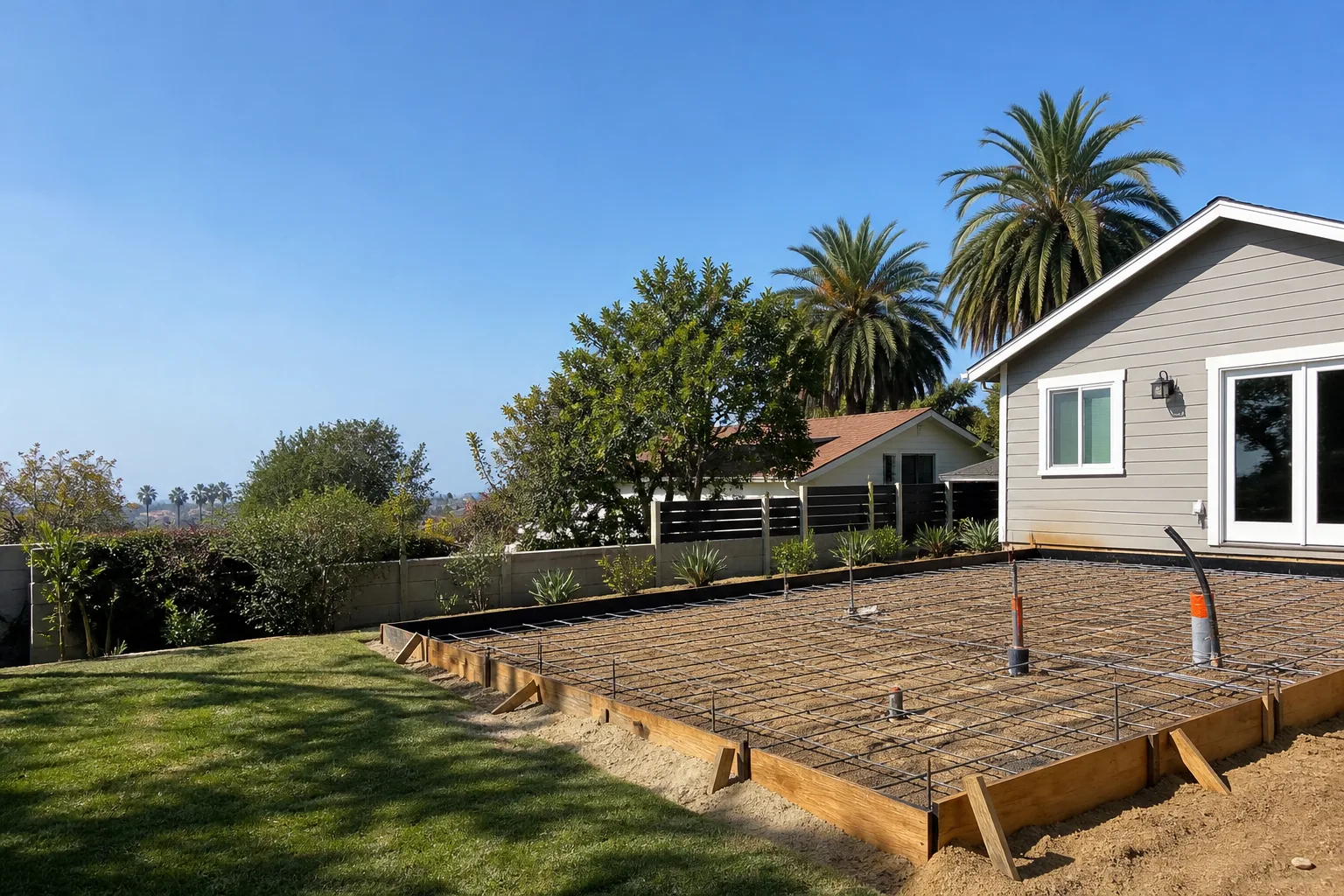
For a Riverside retrofit where the trench or pad already exists and we’re correcting stubs, replacing conduit, or re-setting utility runs, you’re generally looking at $3,200 to $5,500. A full site prep from bare dirt, meaning pad form and pour, trenching, utility rough-in, and backfill with compaction, typically lands between $6,500 and $9,800. The spread depends on access: a clear side yard with machine access stays on the low end, a tight backyard where everything moves by wheelbarrow pushes the labor number up.
These numbers are installed, not parts-only, because a utility component fails in context. Every quote includes the parts, the labor, the trench inspection coordination, and cleanup. You get a written line-item price before we mobilize. No change orders unless you change the scope. Our work on site prep and utility corrections is covered by the 365-Day Done Right Promise: if the trench settles, the stub shifts, or a glue joint fails within a year, we come back and make it right at no charge.
DIY or Call Us?
You can check a few things safely. Look at whether water is pooling near the stubs after rain. Confirm the pad edges haven’t cracked or settled. Verify the shutoff at the meter moves freely. That’s useful information to have before you call.
What you should not DIY is trenching around existing gas or electric lines. Riverside has older neighborhoods, and a lot of easements are not marked accurately. Hitting a live line with a shovel or a rented trencher can kill you, and a cracked gas service is a whole different problem at your doorstep. Even a simple-looking conduit repair can turn into an arc-flash situation if the wrong breaker is mislabeled. If your Cover unit’s utilities aren’t where the factory drawings say they should be, call us at (831) 231-0809 and we’ll send someone who can read the site and the plans together.
FAQs
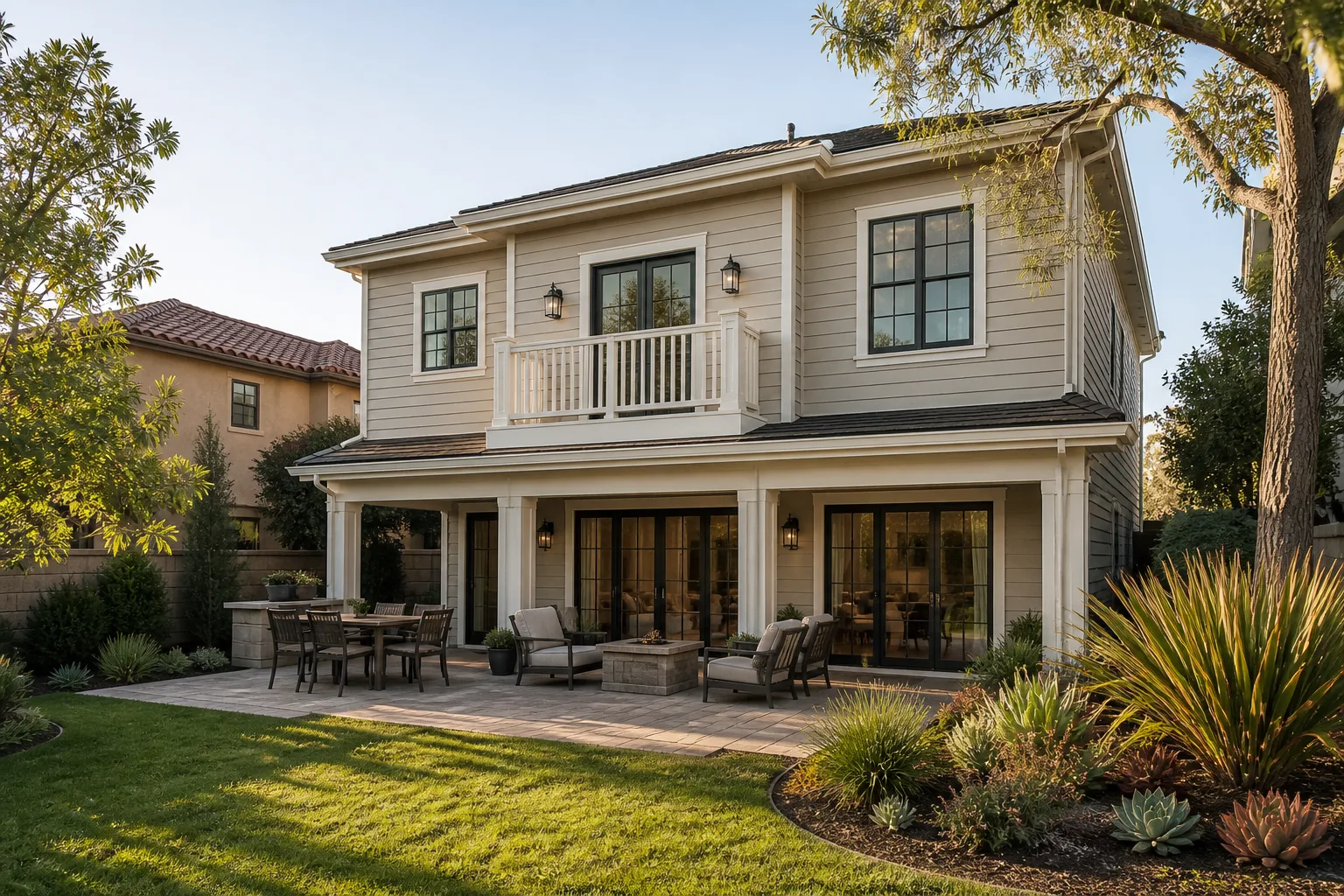
Properly installed utility runs, pads, and stubs should last 40-plus years. What shortens that in Riverside is soil movement: our clay-heavy lots expand and contract with rain, and that stress shows up first at rigid connection points, not the pipe itself.
Sometimes. A re-glued conduit joint in a dry run can be repaired, and a shifted stub can be re-set. But a settled pad corner or a mispitched sewer lateral usually means cutting out and redoing the section, which in practice is a replacement. We’ll tell you which one yours is before the work starts. Call (831) 231-0809 for an exact assessment, free.
Most utility corrections take two to four working days from mobilization to backfill and cleanup. Full pad removal and re-pour adds another two to three days for form, pour, and cure time in Riverside’s warm weather.
We keep Cover-spec conduit sweeps, stub-outs, valving, and connection hardware on our trucks, plus common sizes for Abodu and Dvele builds. If your correction needs something outside our normal inventory, Riverside supply houses carry most of it same-day.
Written by Troy Eastman, Owner & Project Lead, Benson ADU Riverside at Benson ADU Riverside, serving Riverside and nearby areas.